
Very friendly with all the popular types of fence and flooring.
Prices are reasonable, Lonnie and Haley are very helpful, and it seems like the go-to place for ActiveYards vinyl fence.
If you want new hardwood floors, the material is only half the job. Hardwood floor installation has to be done right from the subfloor up, or the finished floor will never look, feel, or perform the way it should. Bracewell provides hardwood floor installation for homeowners and businesses across the Florida Panhandle and Northwest Florida, with product guidance and installation built around the room, the subfloor, and the way you actually use the space.


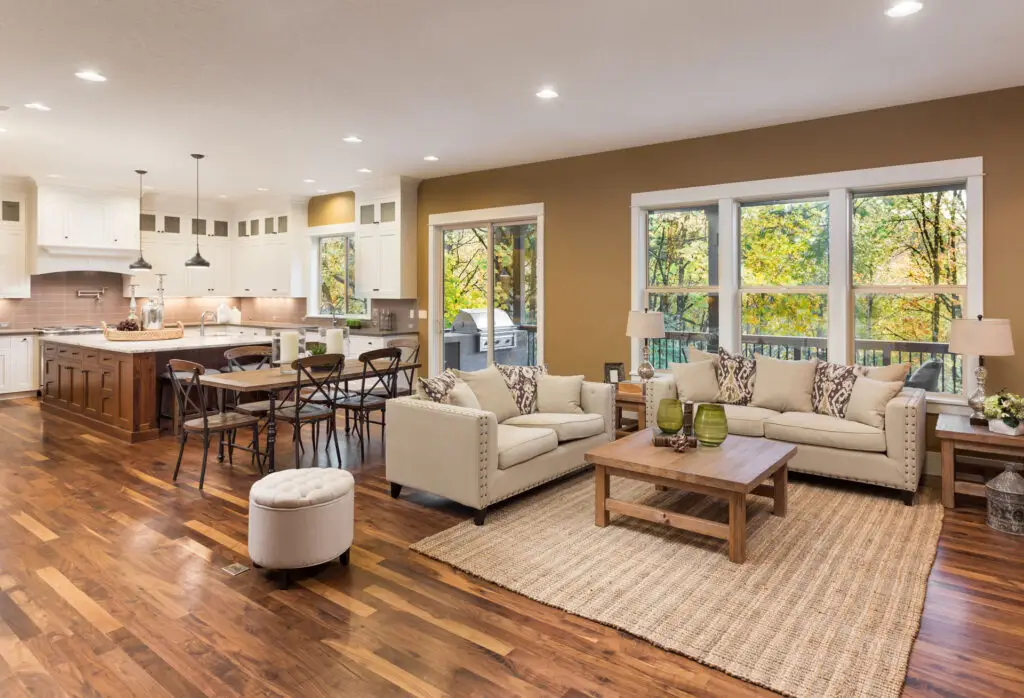
Not every hardwood floor belongs in every room. That is one of the biggest mistakes people make when they shop flooring. The right hardwood flooring depends on the room, the subfloor, the moisture level, and the kind of daily wear the floor will take. Some spaces are a better fit for solid hardwood. Some are better for engineered hardwood. If the room sits on a wood subfloor and the conditions are right, solid hardwood can be a great long-term option. If the space has higher humidity, sits over concrete, or needs a little more stability, engineered hardwood may be the better way to go.
4.7 Star Rating
Very friendly with all the popular types of fence and flooring.
Prices are reasonable, Lonnie and Haley are very helpful, and it seems like the go-to place for ActiveYards vinyl fence.
Lonnie spent over 2 hours of his day trying to help me solve this giant problem.
I called asking for professional advice after another contractor did a terrible flooring job, and the time and help I got made me wish we had started with Bracewell’s from the beginning.
I greatly appreciate the fine work done by Karen Pittman and her crew on my new fence.
They were professional, easy to work with, fairly priced, and I love how the finished fence turned out.
We are very satisfied with the fence Bracewell’s built for us.
The materials appear to be very good quality, they finished the job in a day and a half, and I would recommend them.
I purchased CoreTec flooring from Bracewell’s in Mexico Beach and am very pleased.
The price was lower than other businesses in the area, and Billy was patient and enjoyable to work with every time I came in.
Great experience with them.
Lonnie was amazing and helped me every step of the way in finding the right product for our needs. The team was friendly, honest, and reasonably priced.
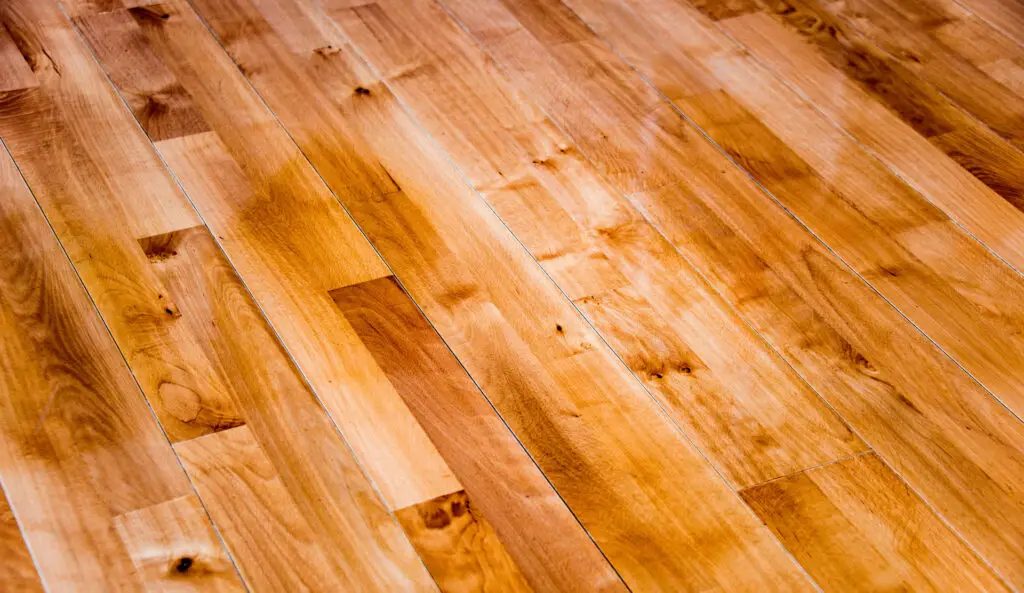
Homeowners still choose hardwood floors because they bring natural character, long-term value, and a warmer finished look than many other flooring products. The key is choosing the right hardwood flooring for the room. Solid hardwood and engineered hardwood can both work well, but the subfloor, humidity, installation method, and daily wear need to be considered first.
If you are planning hardwood floor installation, Bracewell can help you compare hardwood flooring options, review the room and subfloor conditions, and move the project forward with less guesswork. Reach out today to request an estimate for new hardwood floors.

Hardwood moves with moisture. Wood expands and contracts, and that is exactly why acclimation matters. New hardwood should not be delivered and installed the same day. Hardwood flooring needs time to adjust to the temperature and humidity inside the room where it will be installed.
That means the planks need to be stored in the house, not out in a garage or basement. The flooring should sit in the room, in a controlled environment, so the wood can settle before installation starts. Skipping that step is how you end up with movement, gaps, warping, or buckling later.
The room itself also has to be ready. Furniture needs to be moved. Carpet or other old flooring may need to be removed. Baseboards and trim often have to come off. If the space has a basement below it, moisture conditions matter even more. Good prep work is what gives hardwood floor installation a better chance of going smoothly from the start.
A hardwood floor is only as good as the surface under it. Before installing hardwood flooring, the subfloor has to be clean, level, dry, and ready for the job. If the subfloor is off, the flooring will show it.
That is why installers check the subfloor early. On wood subfloors, the hardwood floor usually needs to run parallel with the longest wall but still needs to respect the structure below. In many cases, the boards should run perpendicular to the floor joists, not just whichever direction looks easiest. That matters for support, stability, and long-term performance.
A vapor barrier may also be part of the installation, depending on the room and the surface underneath. Plastic, red rosin paper, or another approved barrier can help protect the flooring from moisture issues. The right setup depends on the room, the grade level, and the type of hardwood being installed.
A lot of people picture hardwood floor installation as just laying planks in rows. That is not really what it is. Good installation is a sequence, and every step affects the next one.
The first step is to measure the room and calculate square footage. You do not order exact numbers with hardwood. You build in waste for cuts, doorways, hallways, and layout changes. Then the room layout gets planned so the boards look right once the install starts.
From there, the first row gets set. That first row matters because every row after it follows that line. An expansion gap has to be left around the edges near each wall, and the boards need to be laid in a way that keeps the joints staggered instead of creating weak points or ugly patterns. H joints should be avoided. The length of the planks, the width of the boards, and the placement of joints all shape how smooth the floor looks when it is finished.
As the flooring goes in, the installers may use a flooring nailer or nailer system to secure the boards. Depending on the product and the surface, the install may involve nail-down, glue-down, or another approved method. The tongue and groove on the planks have to lock together cleanly so the rows stay tight and consistent.
The final row often takes more detail work than the rest of the floor. That is where cuts get tighter, spacing matters more, and face nail work may be needed near the wall where a standard flooring nailer cannot reach. Once the floor is in, wood putty can be used where needed, and trim, baseboard, or quarter round gets reinstalled to clean up the edges.
This is one of the biggest decisions in any hardwood flooring project. Solid hardwood is exactly what it sounds like: real wood through the full plank. It is timeless, durable, and can be sanded and refinished multiple times. But solid hardwood is also more sensitive to moisture and humidity, which makes room choice important.
Engineered hardwood is still real wood on top, but it is built in layers for better stability. That makes it a smarter option in some rooms and on some subfloor conditions, especially where humidity swings are harder on wood. If the project involves a concrete surface or a more challenging location, engineered hardwood may simply be the smarter install.
That does not make one automatically better than the other. It means the right hardwood flooring depends on the room, the grade, the structure, and the conditions inside the house or business.
Not every hardwood floor is finished the same way. Prefinished hardwood flooring is ready to walk on much faster because the finish is already on the boards. Site-finished hardwood takes more time because the floor is sanded after installation, then stained and sealed in place.
Sanding matters because it creates a more even surface and prepares the hardwood for finish. Depending on the floor, the surface may be sanded through multiple grits before the finish goes on. After sanding, the floor gets cleaned, buffered if needed, and coated to create a smoother, more durable result.
The right finish changes both the look and the maintenance of the floor. Some homeowners want a more natural wood look. Some want a darker finish. Some care most about durability and easier cleanup. Either way, the finish is part of what turns installed hardwood into a complete floor.
Hardwood flooring works well in a lot of rooms, but not every room is the same. Living rooms, bedrooms, hallways, dining rooms, and many main-level spaces are common fits for hardwood floors. Bathrooms, some basements, and spaces with higher moisture exposure need more caution.
If the room has constant humidity, moisture concerns, or conditions that are harder on wood, the better move may be engineered hardwood or another type of flooring entirely. That is part of choosing wisely instead of forcing a product into the wrong space.