
Very friendly with all the popular types of fence and flooring.
Prices are reasonable, Lonnie and Haley are very helpful, and it seems like the go-to place for ActiveYards vinyl fence.
If you want a fence that adds privacy, defines the property, and gives the yard a warmer, more natural look, wood is still one of the best choices out there. Bracewell provides wood fence installation for homeowners and businesses across the Florida Panhandle and Northwest Florida, with fence designs built around durability, function, and the kind of finish that actually fits the property.


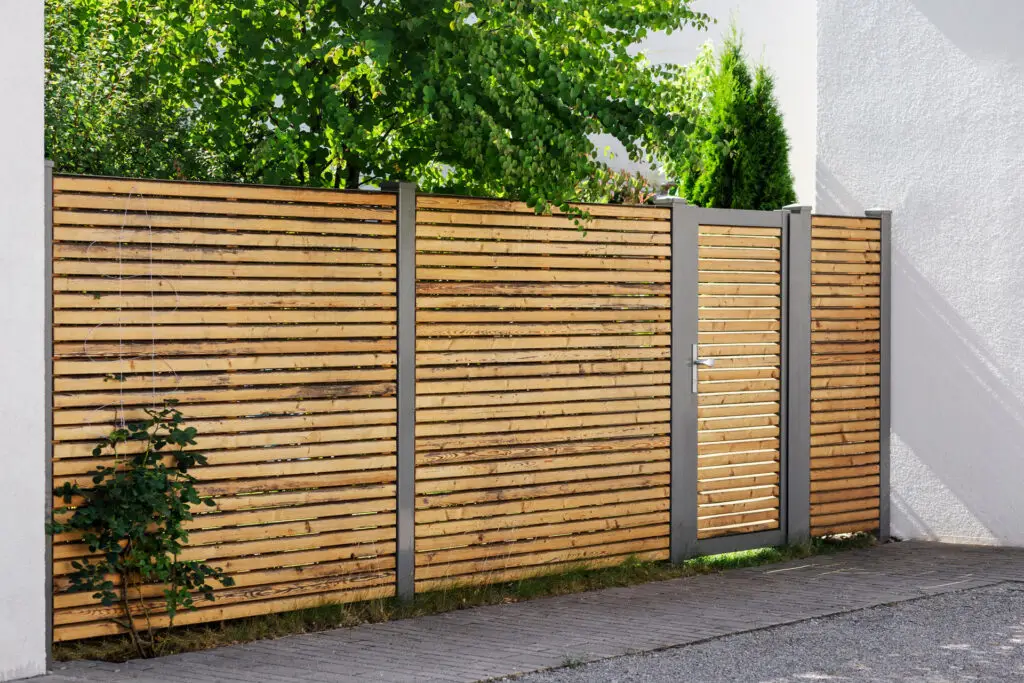
A good wood fence does more than mark the edge of the yard. It helps create privacy, improves the outdoor space, adds security, and lifts the property’s curb appeal at the same time. In the right layout, a new fence can make the whole property feel more finished. That is part of why wood fencing still holds up against alternatives like a vinyl fence or chain link fence. Vinyl has its place. Chain link has its place. But a wood fence brings a more natural look, more design flexibility, and a style that often feels more at home on residential property.
4.7 Star Rating
Very friendly with all the popular types of fence and flooring.
Prices are reasonable, Lonnie and Haley are very helpful, and it seems like the go-to place for ActiveYards vinyl fence.
Lonnie spent over 2 hours of his day trying to help me solve this giant problem.
I called asking for professional advice after another contractor did a terrible flooring job, and the time and help I got made me wish we had started with Bracewell’s from the beginning.
I greatly appreciate the fine work done by Karen Pittman and her crew on my new fence.
They were professional, easy to work with, fairly priced, and I love how the finished fence turned out.
We are very satisfied with the fence Bracewell’s built for us.
The materials appear to be very good quality, they finished the job in a day and a half, and I would recommend them.
I purchased CoreTec flooring from Bracewell’s in Mexico Beach and am very pleased.
The price was lower than other businesses in the area, and Billy was patient and enjoyable to work with every time I came in.
Great experience with them.
Lonnie was amazing and helped me every step of the way in finding the right product for our needs. The team was friendly, honest, and reasonably priced.
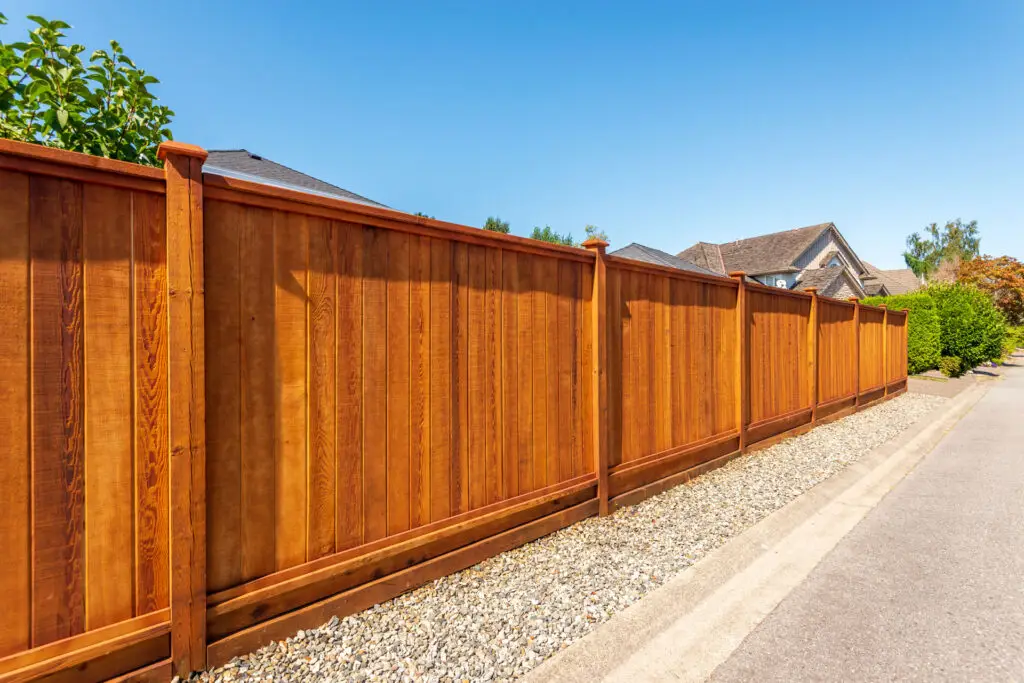
A better wood fence starts with the layout. Fence height, post placement, gate openings, rails, pickets, slope, and property lines all affect the finished result. Bracewell helps customers plan wood fence installation around privacy, curb appeal, access, and how the fence needs to hold up on the property.
If you want a wood fence that feels right for the home, improves the yard, and brings the right mix of privacy and curb appeal, Bracewell can help. Reach out today to compare wood fence styles, talk through the property layout, and get a clear next step for the project.

A wood fence is only as solid as the fence posts holding it up. If the posts are weak, off line, or set poorly, the rest of the entire structure follows them in the wrong direction. That is why fence posts matter so much.
The post locations need to be measured and marked carefully. A string line helps keep everything in a straight line. A post hole digger or power auger helps dig post holes at the right spacing and depth. In many cases, the post holes need to go about one-third of the fence height into the ground, plus a few inches for drainage and stability.
Once the fence post holes are ready, the fence posts have to be set properly, checked for plumb, and secured with concrete mix. Pouring concrete is what helps create a stable fence that can hold up better over time. If the fence posts are not right, the fence rails, fence panels, and fence pickets will never sit the way they should.
Not every wood fence is built from the same materials. Pressure treated lumber is common because it helps resist moisture, insects, and early decay. Treated lumber is often used for fence posts and structural components where durability matters most.
For the visible parts of the fence, the right wood depends on the look you want, the maintenance level you can live with, and your budget. Cedar is popular because it resists insects and brings a more premium appearance. Pine is a more common budget-friendly option when it has been pressure treated. Redwood has strong visual appeal too, though it usually comes at a higher cost.
That is part of what affects wood fencing cost. The type of lumber, the fence design, the site conditions, and the size of the project all shape the final number.
Not every fence needs to do the same job. Some people want a basic border. Some want full privacy. Some want decorative elements that make the fence stand out more. That is why fence design matters.
A wood privacy fence is one of the most common choices because it helps close off the yard and create a more private outdoor space. A board on board wood privacy fence gives you more coverage because the boards overlap and help block gaps. A stockade privacy fence creates a tighter barrier. A shadowbox design gives you more airflow and a softer look while still creating separation.
The best design depends on how much privacy you want, how the fence sits on the property, and what kind of style fits the house.
Once the fence posts are in, the fence starts to take shape fast. Fence rails follow the post spacing, and attaching fence rails correctly is what gives the fence panel structure and consistency. The bottom rail, middle rail, and top rail all matter because they support the fence pickets and help the fence stay square.
This is where clean craftsmanship shows up. The fence rails need to sit correctly. The fence panels need to stay straight. The first picket matters because it helps set the line for the rest of the run. Whether the fence uses component-built sections or more custom framing, the same rule applies: the parts need to be securely attached and aligned well or the finished fence’s appearance suffers.
That is also where good tools matter. A circular saw, drill, level, string line, and the right fasteners such as galvanized nails or screws all help keep the work clean and consistent.
A fence gate seems simple until it is the part you touch every day. If the gate drags, sags, rubs, or will not swing right, the whole fence starts to feel poorly built. That is why gate installation needs real attention.
Gate locations should be planned as part of the original fence layout, not treated like an afterthought. The opening has to be measured right, the gate square has to be built correctly, and the gate hardware has to match the use of the fence. In some cases, heavy duty hinges make more sense, especially when the gate sees regular use or the opening is wider.
A good fence company knows that a bad gate can ruin an otherwise good fence.
There is a reason people still come back to wood fences. A wood fence has character. It works with landscaping. It can feel more custom than vinyl. It can soften the look of the property while still creating a strong boundary.
That warmth is hard to fake. A wooden fence can feel more natural around patios, gardens, pools, and outdoor living areas. It can also be painted, stained, or sealed depending on the look you want. Paint is one option, but many homeowners prefer stain because it protects the lumber while still showing more of the wood’s appearance.
That flexibility is a big part of what keeps wood relevant.
Wood fences need more upkeep than vinyl, but good maintenance goes a long way. Regular cleaning, periodic sealing or staining, and a quick annual inspection can help catch issues before they turn into expensive repairs.
That includes watching for loose boards, damaged fence pickets, shifting fence posts, early wood rot, and drainage problems around ground level. Proper drainage matters because standing water at the base of the posts can shorten the life of the fence. Taking care of the fence is what helps it keep looking good and performing well over time.