
Very friendly with all the popular types of fence and flooring.
Prices are reasonable, Lonnie and Haley are very helpful, and it seems like the go-to place for ActiveYards vinyl fence.
Bracewell’s handles chain link fence installation for homeowners, businesses, and property managers across the Florida Panhandle and Northwest Florida. We help with layout, materials, fence installation, and replacement work so the job stays clear from the first line on the ground to the final gate check.



Chain link fence installation starts with planning. Property lines, perimeter layout, fence height, post spacing, gate placement, and local building codes all affect how the fence goes in and how it holds up later. Before installing anything, it helps to know where the fence line will run, where the corner posts and each terminal post belong, and whether underground utilities need to be addressed before the holes are opened.
4.7 Star Rating
Very friendly with all the popular types of fence and flooring.
Prices are reasonable, Lonnie and Haley are very helpful, and it seems like the go-to place for ActiveYards vinyl fence.
Lonnie spent over 2 hours of his day trying to help me solve this giant problem.
I called asking for professional advice after another contractor did a terrible flooring job, and the time and help I got made me wish we had started with Bracewell’s from the beginning.
I greatly appreciate the fine work done by Karen Pittman and her crew on my new fence.
They were professional, easy to work with, fairly priced, and I love how the finished fence turned out.
We are very satisfied with the fence Bracewell’s built for us.
The materials appear to be very good quality, they finished the job in a day and a half, and I would recommend them.
I purchased CoreTec flooring from Bracewell’s in Mexico Beach and am very pleased.
The price was lower than other businesses in the area, and Billy was patient and enjoyable to work with every time I came in.
Great experience with them.
Lonnie was amazing and helped me every step of the way in finding the right product for our needs. The team was friendly, honest, and reasonably priced.
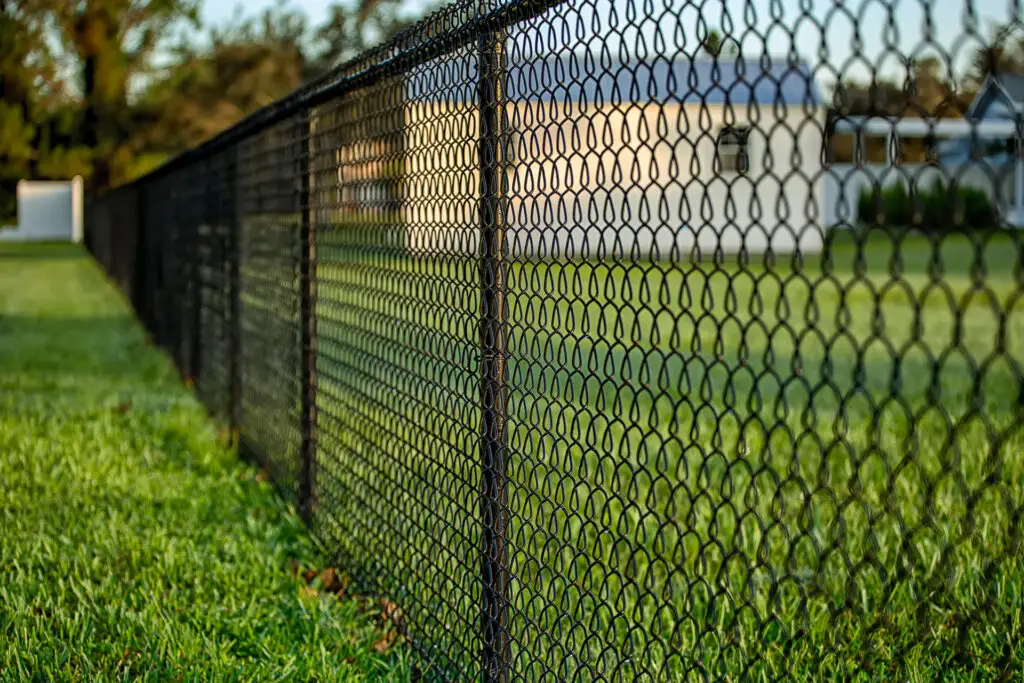
A chain link fence is one of the more practical ways to add security without closing everything off. It works for homes, commercial properties, service yards, and keeping a pet in the yard without changing the open feel of the property. The right chain link fence also depends on the length of the run, the fence height, the number of gates, the type of materials, and whether you are replacing an old fence or starting fresh.
If you need chain link fence installation, the next step is simple. Reach out to Bracewell’s, schedule a visit, and talk through the fence line, gate needs, materials, and site conditions with a team that does this work every day.
Bracewell’s offers free local estimates, financing through Wells Fargo with approved credit, and a one-year labor warranty on installed work. If you need to install a chain link fence, replace an old fence, or compare materials before moving forward, contact the team and get the project moving.

A good chain link fence installation comes down to layout, posts, rails, fabric, and tension. If one part is off, the fence shows it. The post has to be set right. The line has to stay straight. The chain link fabric has to stretch correctly. The gate has to work without dragging or sagging. That is the work.
The first step in installing a chain link fence is layout. That means marking property lines, checking the length of the run, and setting a string line so the fence line stays true. A clean layout helps you place the first terminal post, each end post, the corner posts, and the line posts without guessing. It also helps you sort out gate openings before concrete goes in.
Post spacing matters because the top rail, chain link fabric, and rails all depend on a consistent layout. The same side of the property may be simple, while a corner, a slope, or uneven ground can change the spacing. Intermediate posts and line posts should be placed so the rails run clean and the finished fence does not look pieced together. A post level helps keep the post straight while the layout is still easy to adjust.
For some sites, a basic tape, string, and measuring pass is enough. On larger properties or acreage, the fence line may need more review so all the posts land where they should. That includes the terminal post at each end, every corner post, and each gate post. If the layout is wrong, the rest of the installation spends time trying to hide it.
The foundation of a chain link fence is the post work. That starts with the right post hole depth, the right post spacing, and the right concrete. A post hole for a line post is usually different from the hole for a gate post or terminal post because those points carry more load. The frost line matters too. If the post is not set below the frost line, movement in the ground can cause problems later.
A crew may use a post hole digger, digging bar, or power auger depending on soil conditions. Rocky soil changes the work. So does wet ground. Some jobs call for more hand work just to get the holes clean and keep the post at the correct height. The ground line needs to be checked before concrete is poured so the top rail and chain link fabric do not end up fighting the grade later.
Concrete mix is what locks the post in place. The post goes in, the post level is checked, the hole gets concrete, and then the crew makes sure the post stays plumb while the concrete sets. Some jobs use gravel below the concrete to help direct water away from the post base. That can matter where drainage is a concern. On a gate post or terminal post, there is usually more concrete because those points take more tension and movement.
All the posts need to work together. If one post is high, low, or off line, the rails and fence fabric will show it. That is why chain link fence installation is not just digging holes and dropping pipe into the ground. The point is to secure the whole system so it stays straight over time.
Once the posts are set, the top rail and rails go in, along with rail ends, end links, and the hardware that holds the run together. Then the chain link fabric is laid out. This is where tension matters. A loose chain link fence looks bad and works badly. A fence puller, temporary tension bar, stretcher bar, and tension bar are part of what keeps the chain link fabric straight, tight, and secure.
The chain link fabric is usually connected to each terminal post with a tension bar and tension bands. Carriage bolts run through the tension bands, and the bolts need to be tightened the same way along the run. When crews add tension bands, they also check the position of the tension bar so the pull stays even from top to bottom. A temporary tension band can help during setup before the final hardware is fully secured.
Fence ties and fence ties at the rails keep the fence fabric attached along the run. The top rail helps carry the line, while tension wire may be used at the bottom in some layouts to support the fabric and help control movement. Wire cutters, pliers, and a pipe cutter may come into play when trimming or adjusting materials. If there is excess fabric at the end of the run, it has to be cleaned up correctly instead of bent into a mess.
The chain link fabric should be pulled tight enough to look clean but not so hard that the fabric deforms. That is where a fence puller matters. The crew has to pull, stretch, and attach the fabric with the right amount of tension. The fabric, rails, and post work all connect here. If one part is off, the whole fence reads crooked.
Gates are where chain link fence installation gets less forgiving. A gate post takes more abuse than a standard line post. The gate swings, the latch gets used every day, and the opening has to stay true. If the gate post is not set right, the gate shows it fast.
A single gate is one thing. A wider opening is another. The gate hardware, the hinge side, the latch side, and the tension on the surrounding fabric all have to work together. The terminal post at the gate opening needs to be stable. The gate needs the correct height above ground level so it clears the surface and still looks right. Two inches of clearance may be enough in one area and not enough in another depending on slope and use.
The right chain link fence installation also keeps the gate practical. A customer does not care that the fabric was stretched perfectly if the gate drags every time it opens. That part has to work. That is why the gate post, the terminal post, the rails, and the chain link fabric near the opening deserve extra attention.
Not every property is flat. Uneven ground and slope change how chain link fence installation needs to be handled. Some runs can follow the ground more naturally. Some need stepped sections. Some need extra layout work so the line does not wander or leave ugly gaps.
Slope also changes how the chain link fabric is stretched and where the line posts land. On uneven ground, the crew may have to adjust post spacing, fence height, or the way the fabric is cut and attached. That is where experience matters. The fence still has to look clean even when the ground does not cooperate.
Replacement work adds another layer. If an old fence has to come out first, the crew may have to deal with old concrete, buried materials, or posts that were never placed correctly. That affects labor, holes, and setup time. Installing a chain link fence on clean ground is simpler than trying to correct problems left by an older fence.
Bracewell’s handles fencing sales, fencing installation, fence replacement, and material support across multiple fence categories, including chain link fencing. The company serves residential and commercial customers and also works with DIY buyers who want materials directly. That matters because not every chain link job looks the same, and not every customer needs the same level of support.
Bracewell’s is licensed and insured. The company offers free onsite estimates, financing through Wells Fargo with approved credit, and a one-year labor warranty on installed work. The process is simple: the customer reaches out, a salesperson reviews the project and pricing based on the information shared, and if the customer wants to move forward, Bracewell provides a free onsite estimate.
That is the kind of process people usually want with chain link fence installation. Clear next steps. Straight answers. Solid work.